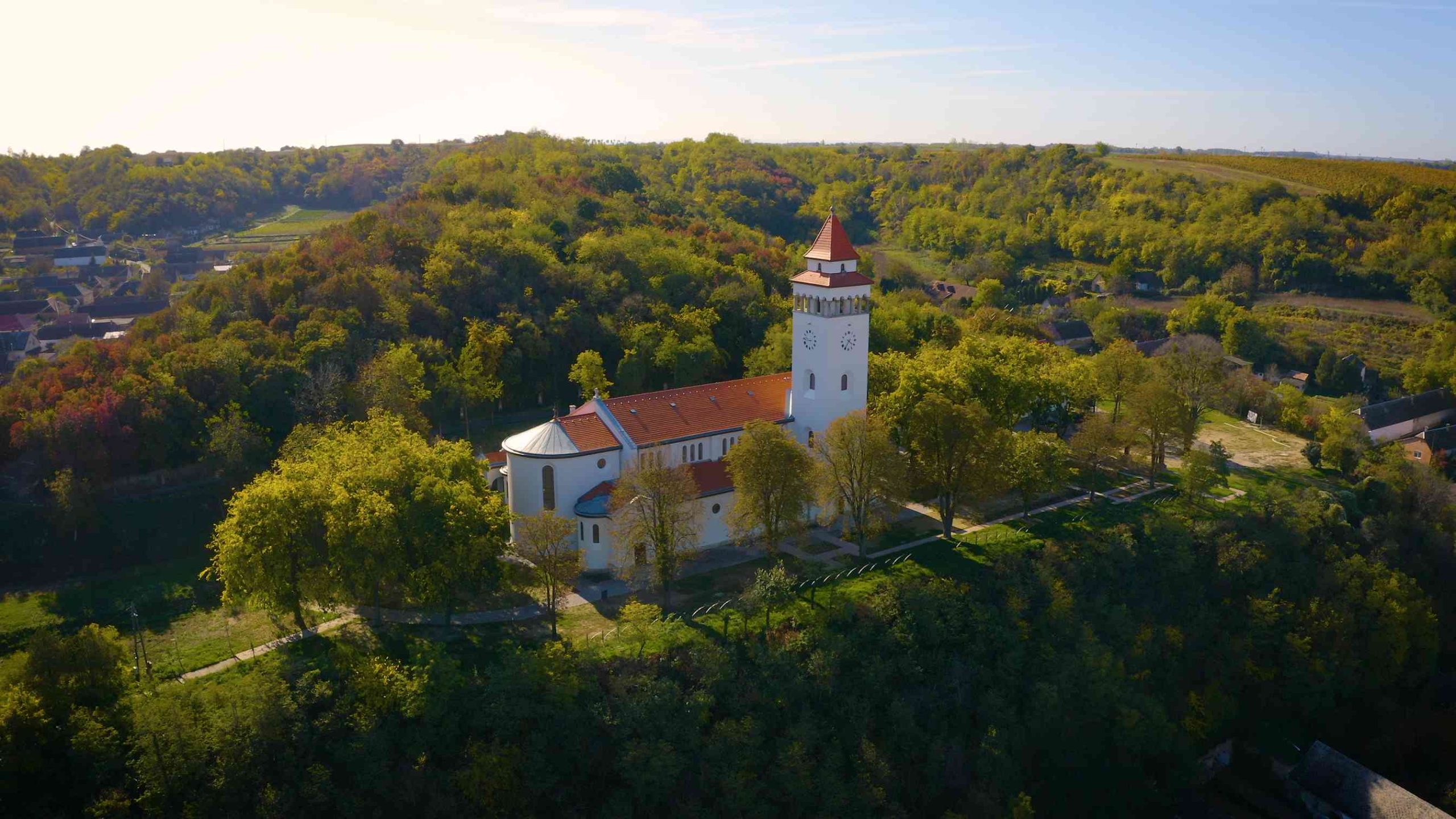
Báta and its Surroundings
Pretiosus Sanguis: The Holy Blood
Development of the sacred sites along the Danube in the Diocese of Pécs:
One of the main goals of the religious tourism development of the Diocese of Pécs is to connect the sacred sites along the Danube in Tolna and Baranya counties into a tourist network within the framework of the project GINOP-7.1.4-16-2016-00003 “Pretiosus Sanguis: From the Holy Blood Shrine in Báta to the downy oak in Bátaszék – Complex tourist development of the Holy Blood Shrine in Báta”. Five religiously and historically significant buildings in the Diocese were renovated with funds obtained through the Economic Development and Innovation Operational Programme.
The Diocese of Pécs was founded by King Saint Stephen in 1009. In addition to the organization of religious life, pastoral tasks and education, the Bishopric is also obliged by its historical past to preserve its built heritage and values in the greatest possible entirety and to make them accessible to everyone.
The aim of the religious tourism development, which organizes the sacred places of southern Transdanubia into a network, is to show those centers of outstanding importance for pilgrimage and pilgrimage, which are important ecclesiastical and historical memorial sites of the region and our country. The best known of them is the Shrine of the Blood of Báta, but the Chapel of St. Orbán in Bátaszék, the Inner City Catholic Church of Szekszárd and the Hermit Chapel in Szekszárd, and the (votive) Church of Our Lady of the Magyars in Mohács are also part of the religious tourism route of the Diocese of Pécs implemented with EU funds.
The five locations are well-known pilgrimage and/or pilgrimage sites, which are also connected by historical tradition. The connection is based on the mythological world that arose during the Turkish occupation, the fight against the Turks, and on the other hand, the production and symbolism of wine.
Báta – Holy Blood Shrine
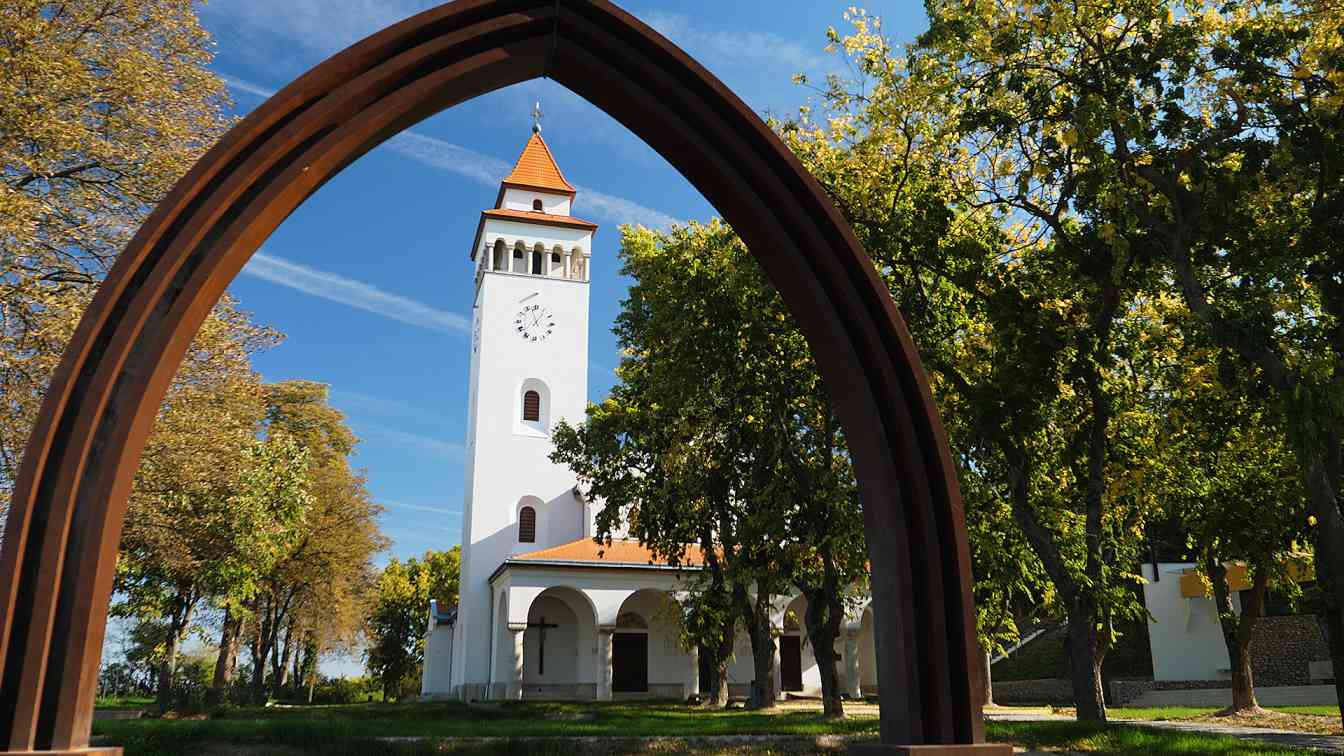
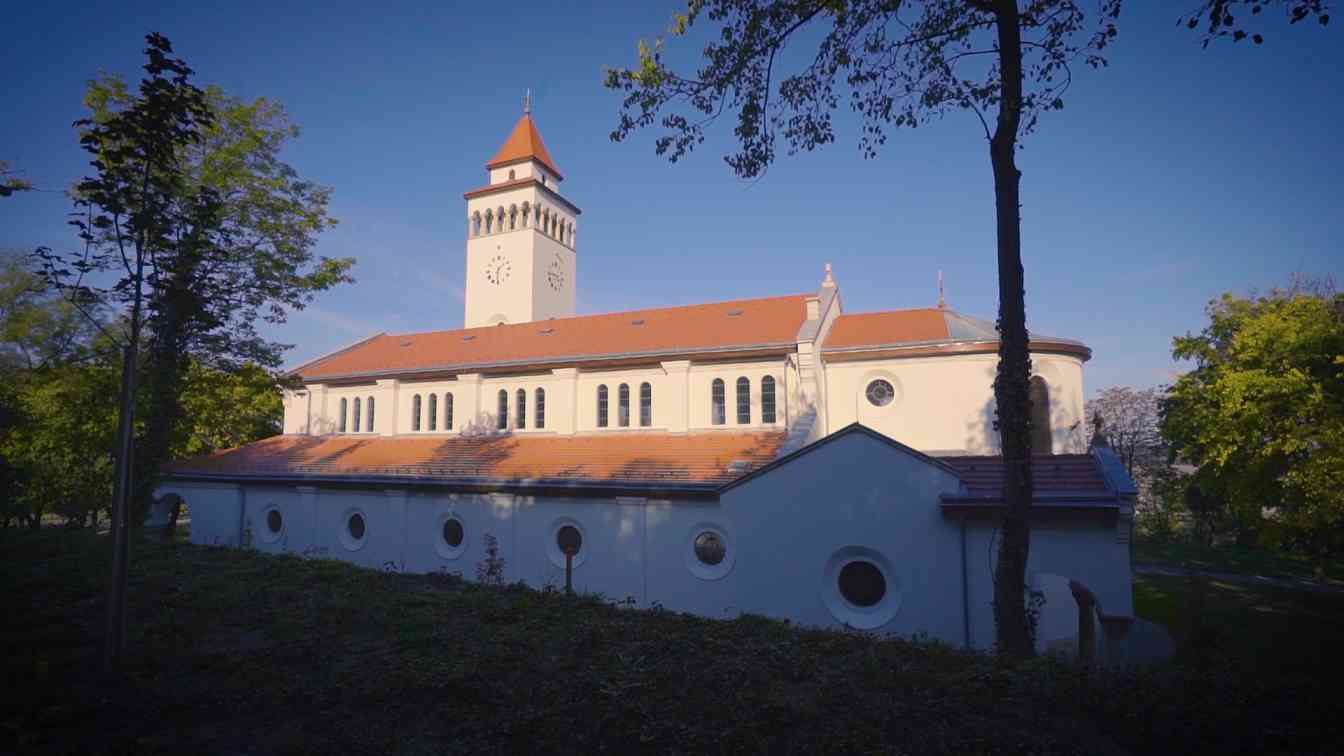
Báta is the only place of pilgrimage of the Holy Blood in Hungary. Its imposing, neo-Romanesque style church stands on the hill above the village, on the site of the former Benedictine abbey.
The shrine became a nationally renowned pilgrimage site at the turn of the 14th and 15th centuries, thanks to the Eucharistic miracle that occurred here. In the 1350s, the faithful in Báta perceived the real presence of Christ under the sacred species of bread and wine when the host began to bleed. The sources call this kind of medieval relic the bleeding body of Christ or the Holy Blood.
The shrine, which was known and visited nationally at that time, was destroyed by the Turkish armies in 1539, and the relic was lost.
The current church was consecrated without the Holy Blood relic in 1939. In 2017, through the intercession of the Bishop of Pécs, Dr. György Udvardy, the Bishop of Nitra shared a relic associated with the Holy Blood tradition, containing a fragment linked to the Veronica veil.
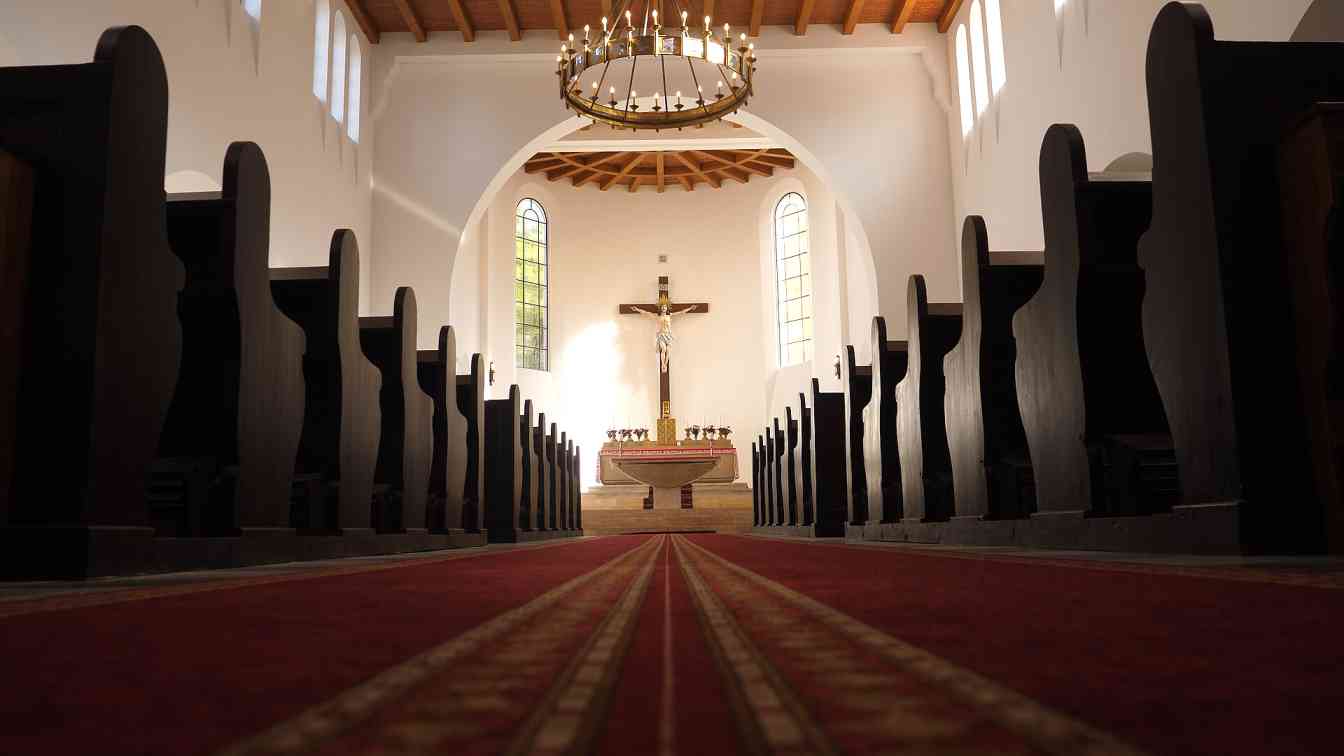
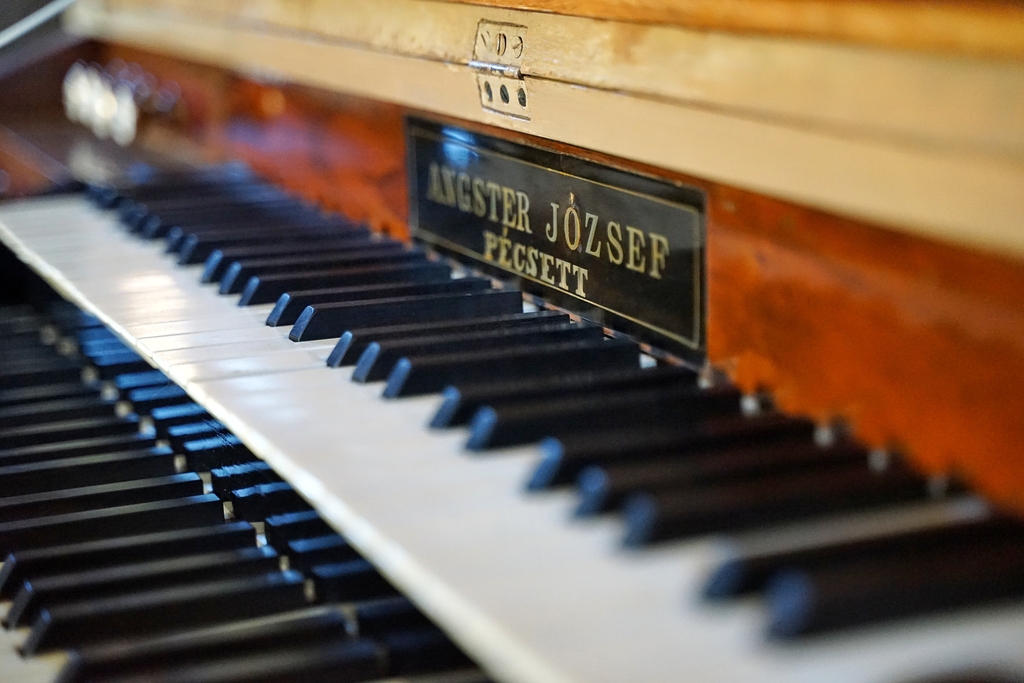
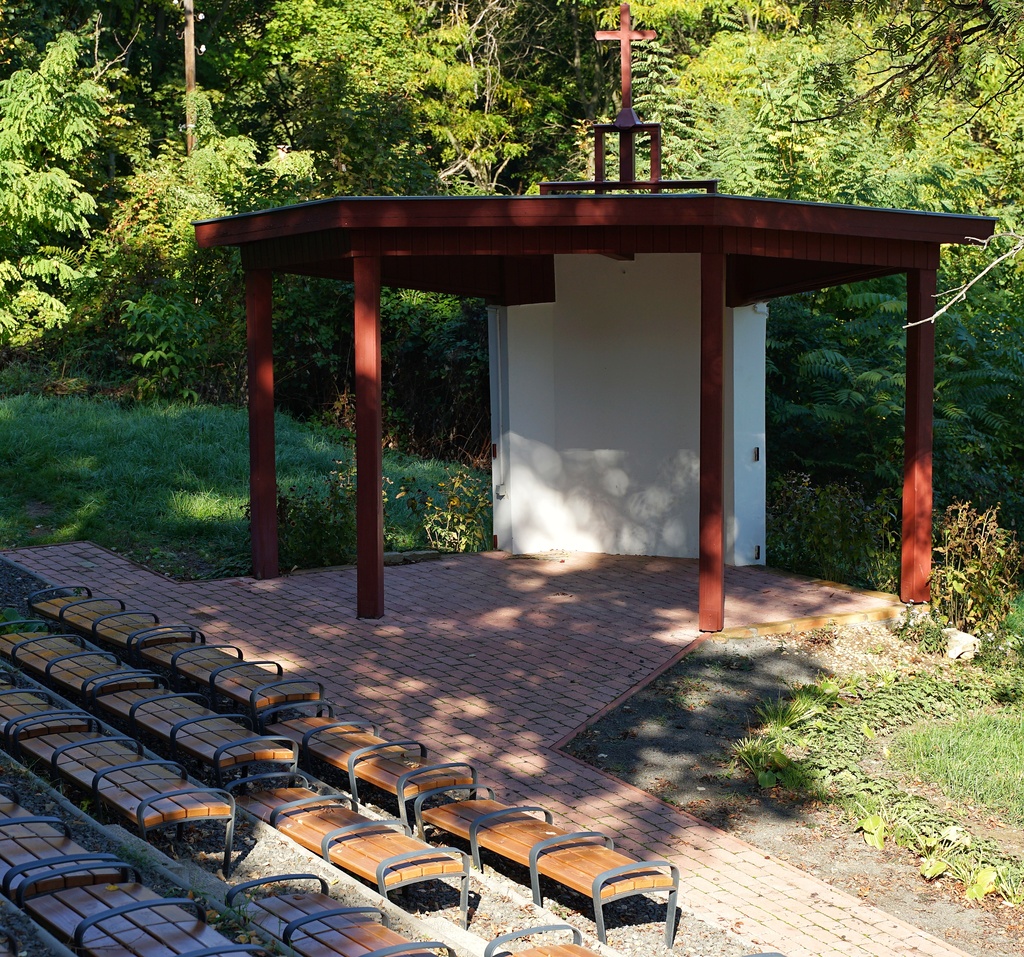
The church and its surroundings were completely renovated between 2017 and 2020. The development includes the reconstruction of the inner altar, the renovation of the organ and the inner church space, the tidying up of the church surroundings, and the construction of a new outdoor altar.
Further information and contact details: www.szentver-bata.hu, or József Sümegi, +36 30 688 8425
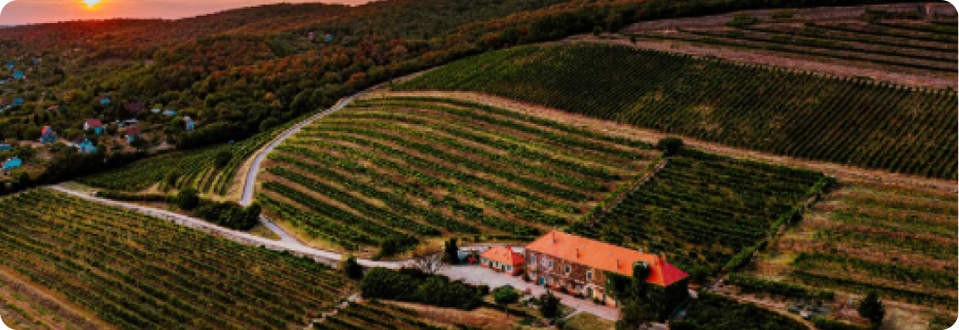
Bátaszék – Chapel of St. Orbán
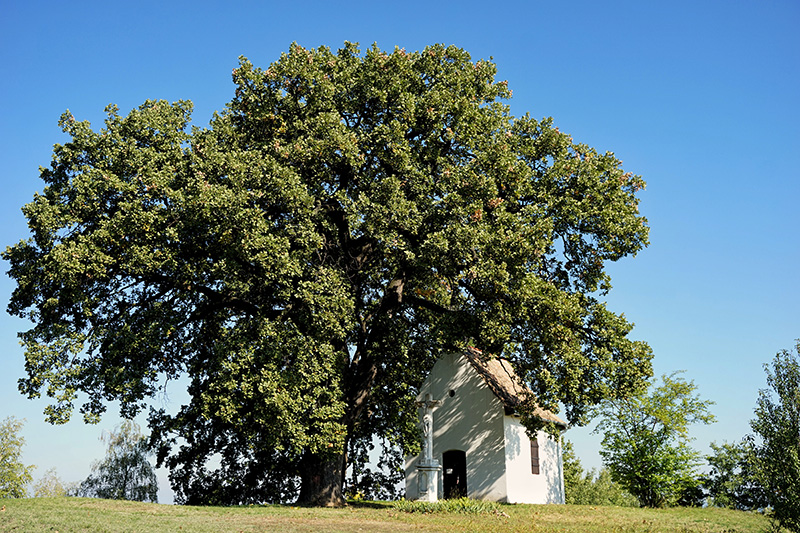
A chapel was built on the vineyard hill of Bátaszék in 1739 in honor of Saint Orbán, the patron saint of vineyards, by local believers after they made a vow during the great plague epidemic to build a chapel once the danger had passed. This is indicated by the oil painting decorating the front of the altar, a baroque image of Saint Rosalia of Palermo, who was called upon to help against the plague.
In addition to the Orbán Day procession, grapes, fruits, and the so-called Orbán Circle, previously woven into a circle, are consecrated at the pilgrimage Mass in Hungarian and German.
The downy oak located in the immediate vicinity of the Saint Orbán Chapel – which is an approx. 300-400-year-old tree in Bátaszék – won the title of “Tree of the Year” in Hungary in 2015, and the title of “European Tree of the Year” in 2016.
Further information and contact details: www.facebook.com/Bátaszéki-Római-Katolikus-Plébánia-178476279240263
Inner City Catholic Church of Szekszárd
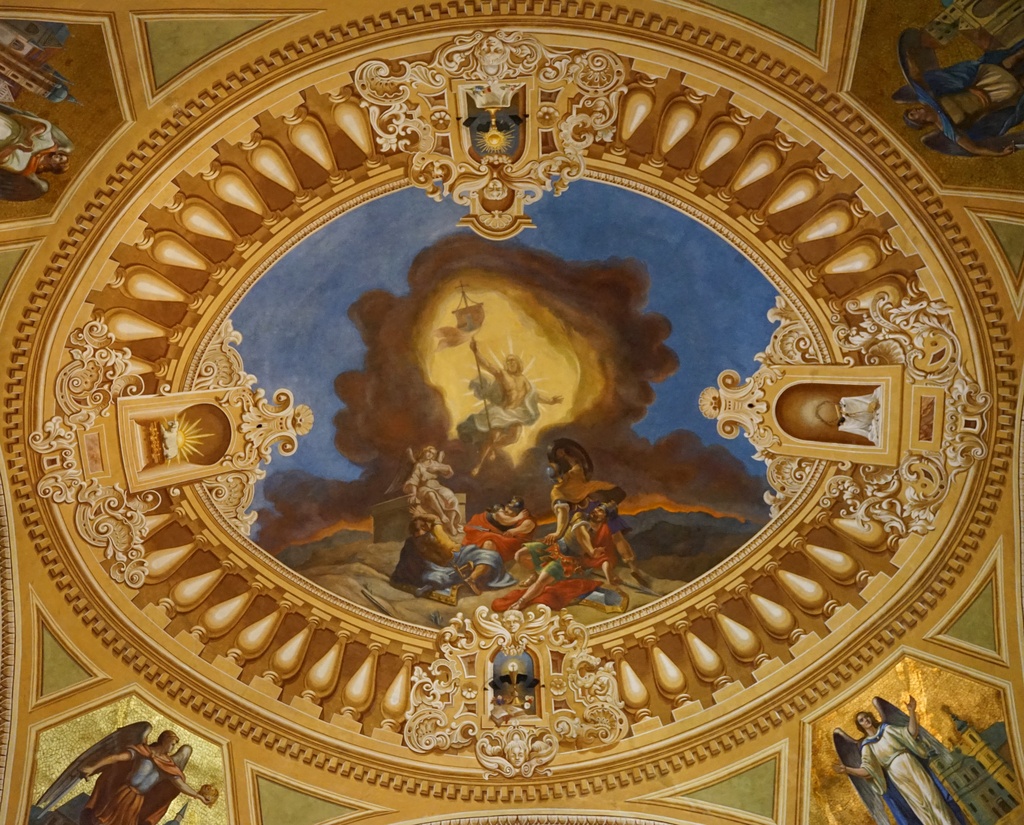
King Béla I founded the Szekszárd Abbey in 1061, which survived the Tatar invasion and the Turkish occupation, but the sacral building on the main square of the city burned down in the fire in 1794. The new Roman Catholic ‘Ascension of Our Lord’ Church in the city center of Szekszárd was built between 1802 and 1806 in the late Baroque style. It was thanks to the tireless work of parish priest György Szluha that permission was granted to build a large-scale church, which was then realized. Today it is the largest single-nave Roman Catholic church in Central Europe.
In the 20th century, the holy place fell victim to another fire: on October 24, 1925, three children caused a fire, the roof caught fire, the tower caught fire, and the bell was destroyed. Its reconstruction was completed by 1926 thanks to fundraising.
The renovation of the church (reconstruction of doors and windows, stone surfaces, and the tower spire) and the restoration of its frescoes took place between 2017 and 2020.
Further information and contact details: www.plebaniaszekszard.hu/
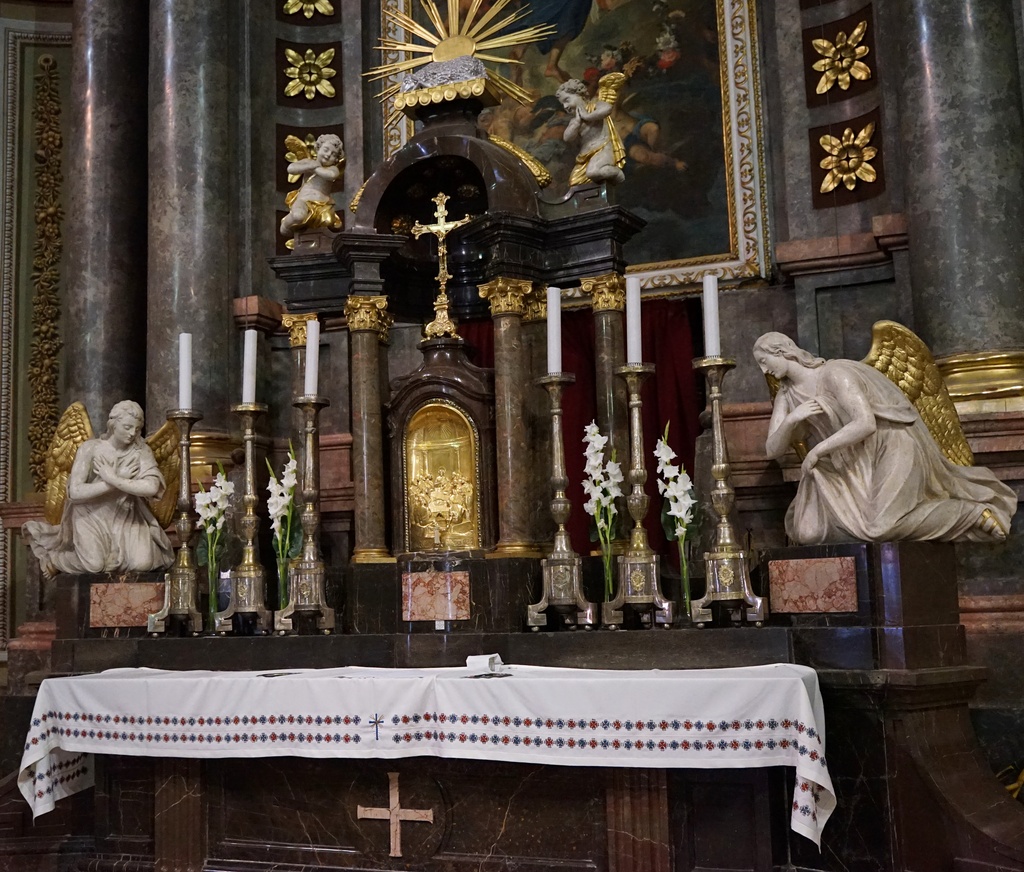
Szekszárd – Remete kápolna
A szekszárdi Remete-kápolna már a 11. században is kegyhely volt, de a törökök az ittlétük alatt felszámolták. Az 1739-es pestisjárvány idején a szekszárdiak megfogadták, hogy a járvány elmúltával a Szent Szűz születésének tiszteletére kápolnát építenek. 1753-ban állították fel homokkőből a szekszárdi Fő téren a Szentháromság-szobrot, majd 1757-ben került sor a kápolna felszentelésére, amely hamarosan kedvelt búcsújáró hely lett. Azóta is szeptember 8-án Kisboldogasszony napi búcsút tartanak Szekszárdon.
A kápolna mellett lévő remeteházban ferences barátok laktak, akik gondozták a templomot, valószínűleg innen eredhet a kápolna elnevezése. Él egy másik legenda, miszerint ezen a várostól távol eső erdős területen hajdanán egy ismeretlen nincstelen férfi telepedett le, aki teljes visszavonultságban szigorú remete életet élt. A férfi életmódjának híre rövidesen városszerte elterjedt, és többen is csatlakozni kívántak hozzá. A hiedelem szerint ezekről a remete életet élő férfiakról kapta a nevét később a kápolna és a közeli forrás is, amely nem csupán üdítő vizéről, hanem csodás gyógyító hatásáról is híres lett.
A Remete-kápolnában a 19. század elején ajándékba kapott mariazelli Mária-kegyszobor másolata látható.
További információk és elérhetőségek: www.plebaniaszekszard.hu/
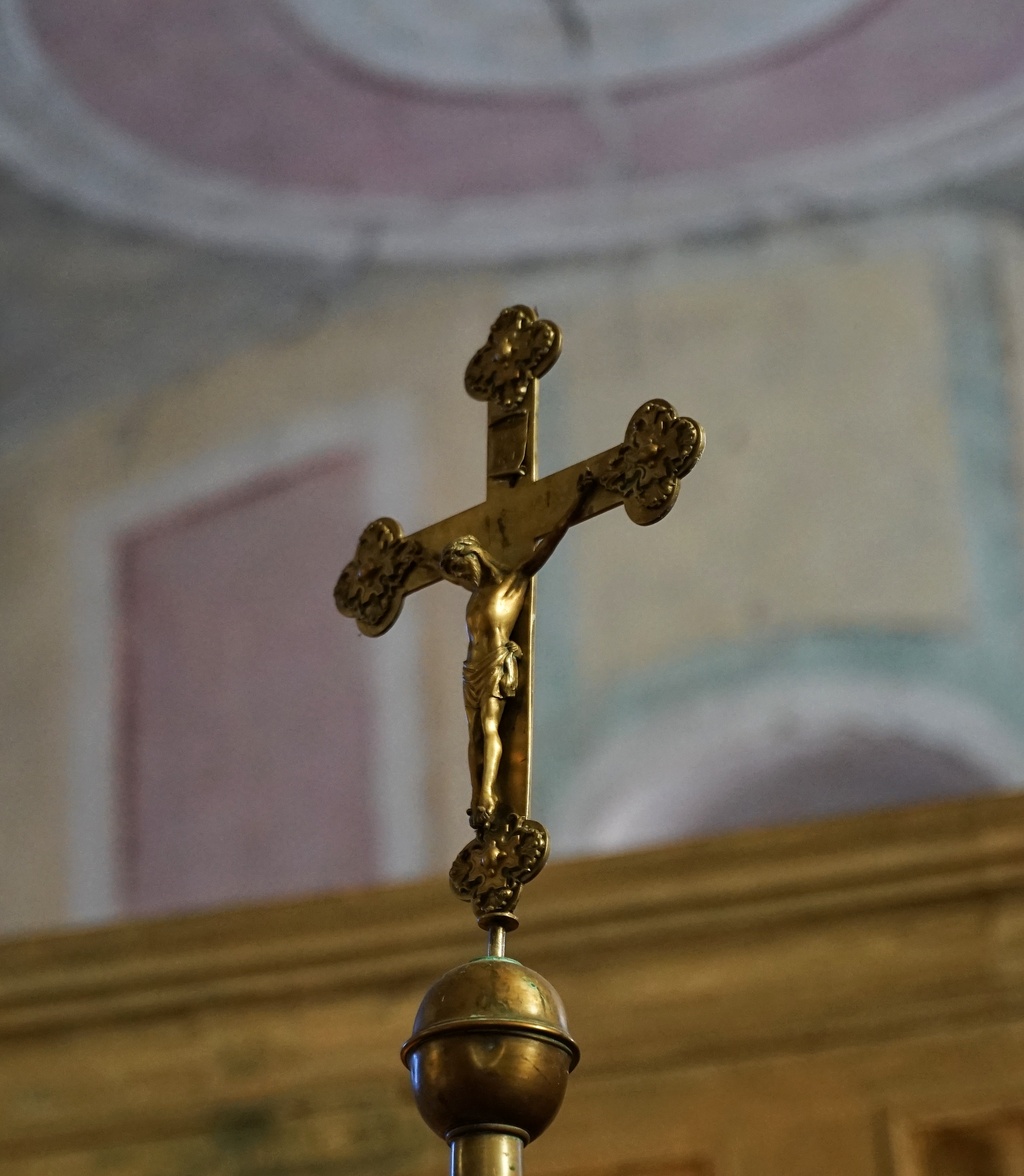
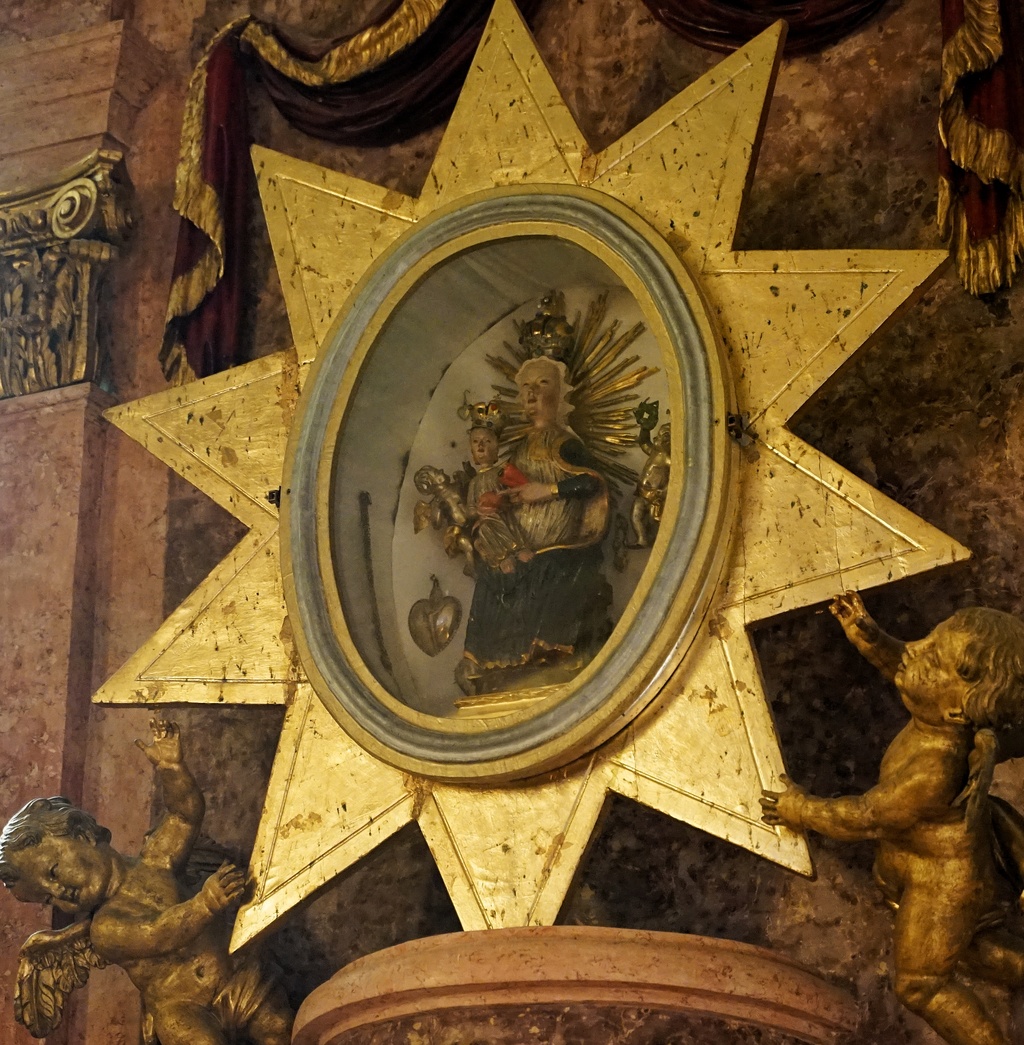
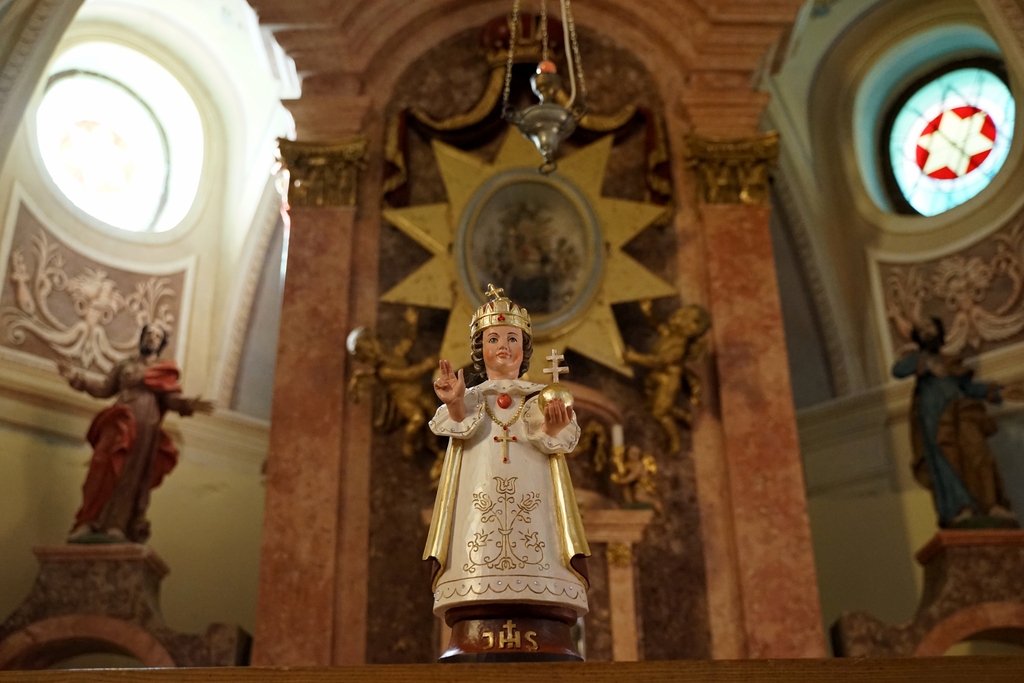
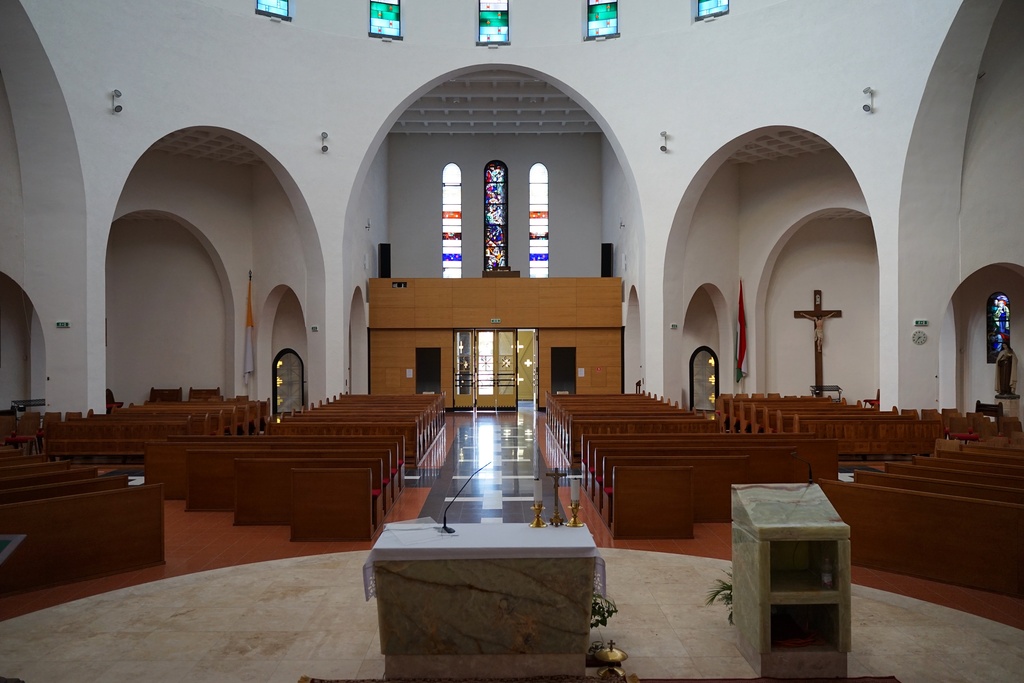
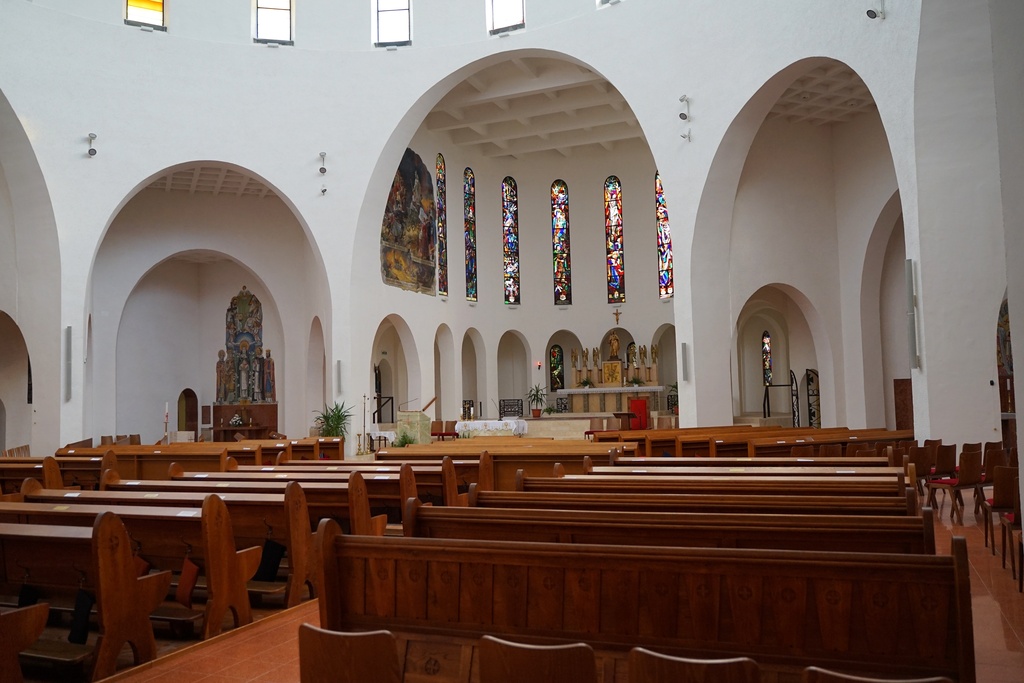
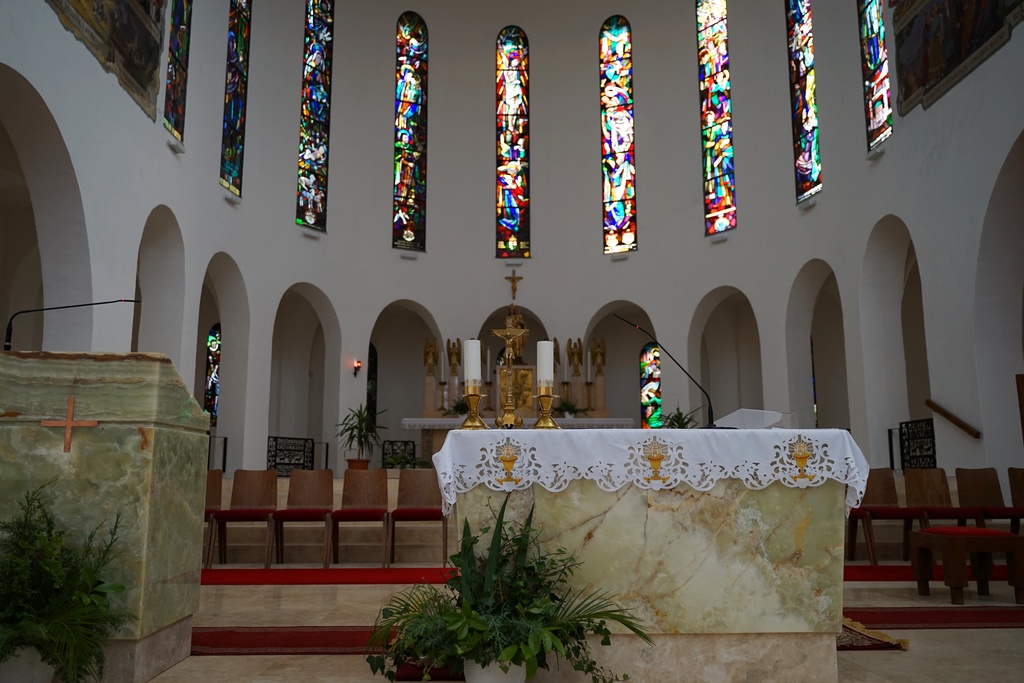
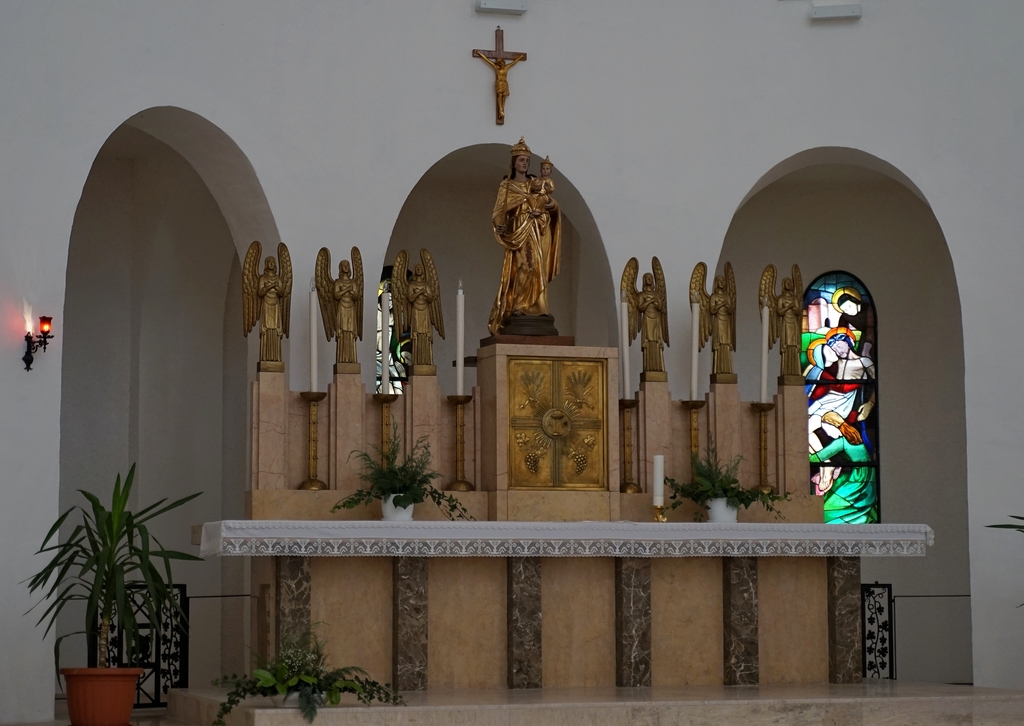
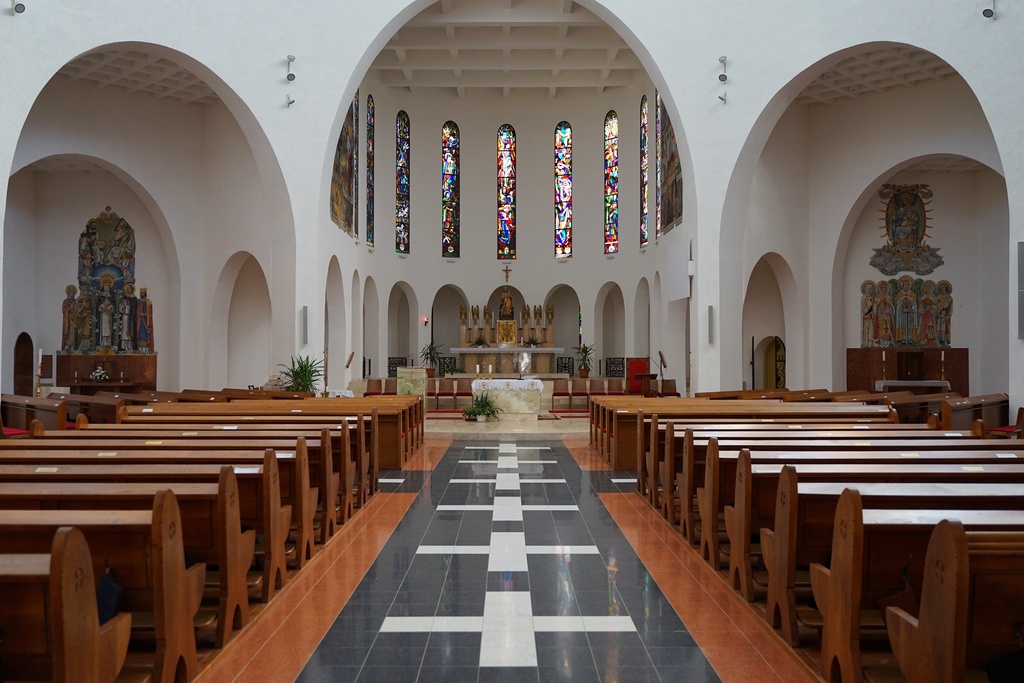
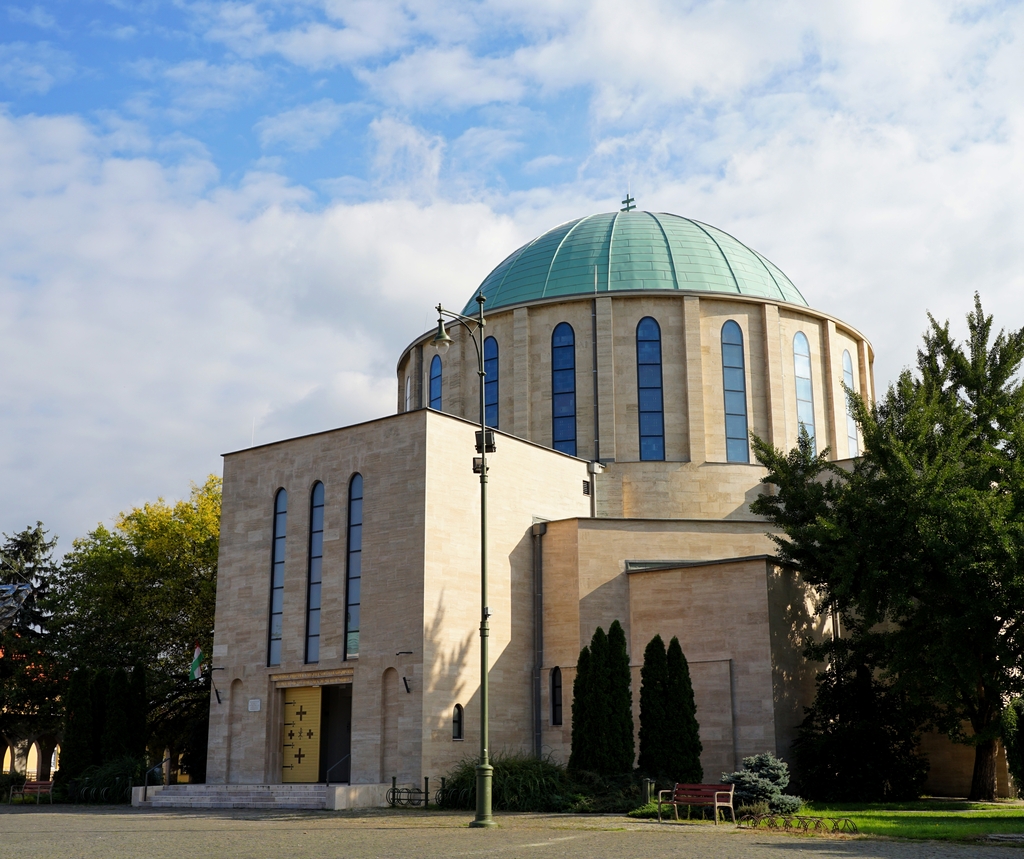
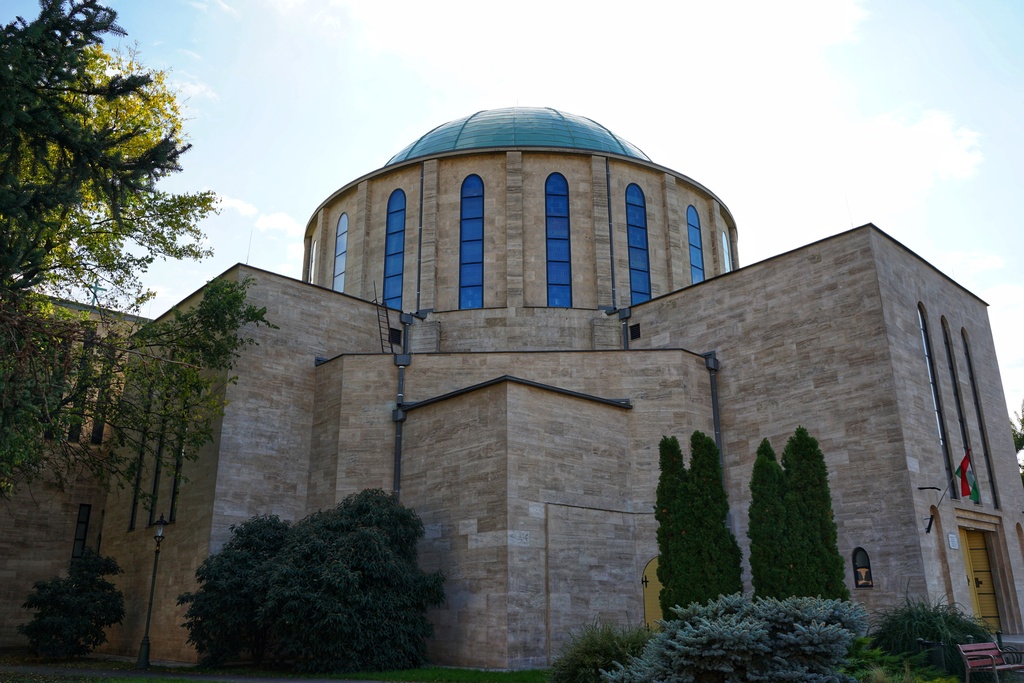
Mohács – Magyarok Nagyasszonya (Fogadalmi) templom
After the battle of August 29, 1526, the Turks destroyed the walled city of Mohács, but after losing the battle, the young men of Mohács managed to rescue the statue of the Blessed Virgin Mary from the Church of Mary, which had been set on fire by the Turks. It was placed in a hermitage cave in Geresd through Szebény, where the persecuted Catholic faithful secretly came to pray during the Turkish Occupation.
In 1926, on the occasion of the 400th anniversary, a collection was organized for the construction of the memorial church. The foundation stone was laid that year, on the anniversary day.
The church was consecrated by the Bishop of Pécs, Ferenc Virág, on August 29, 1940. Its patron saint became the Great Lady of the Hungarians.
On the day of indulgence of the votive church (October 8), Bishop Ferenc Virág granted a plenary indulgence to all believers who visited the church on that day and prayed there for the spiritual salvation of the fallen Hungarian soldiers.
The statue of the Blessed Virgin Mary, which was saved in the 16th century, was moved to the Votive Church in 1956, where it still sits on the main altar today.
Further information and contact details: mohacsiplebania.hu