Shrine of Máriagyűd
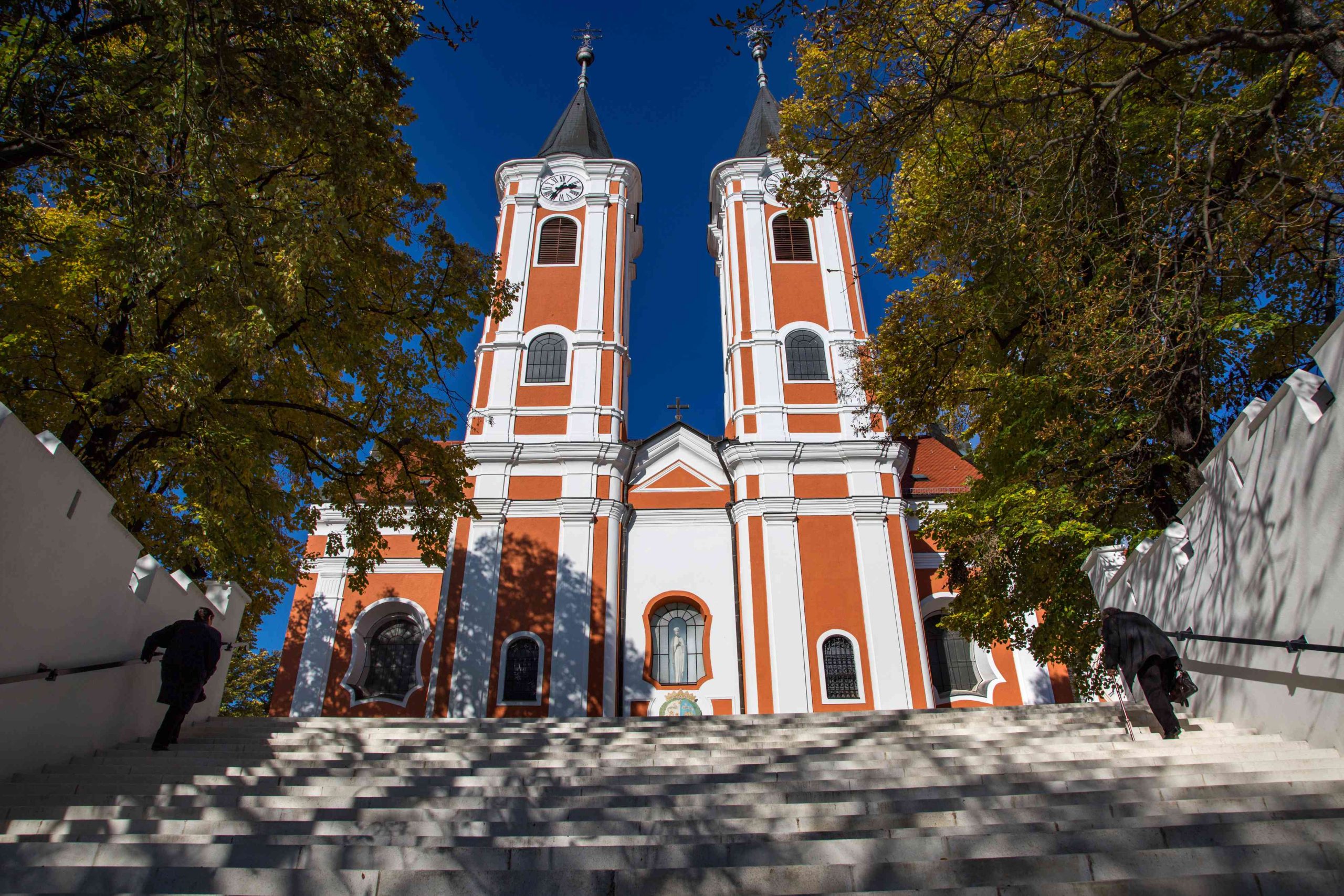
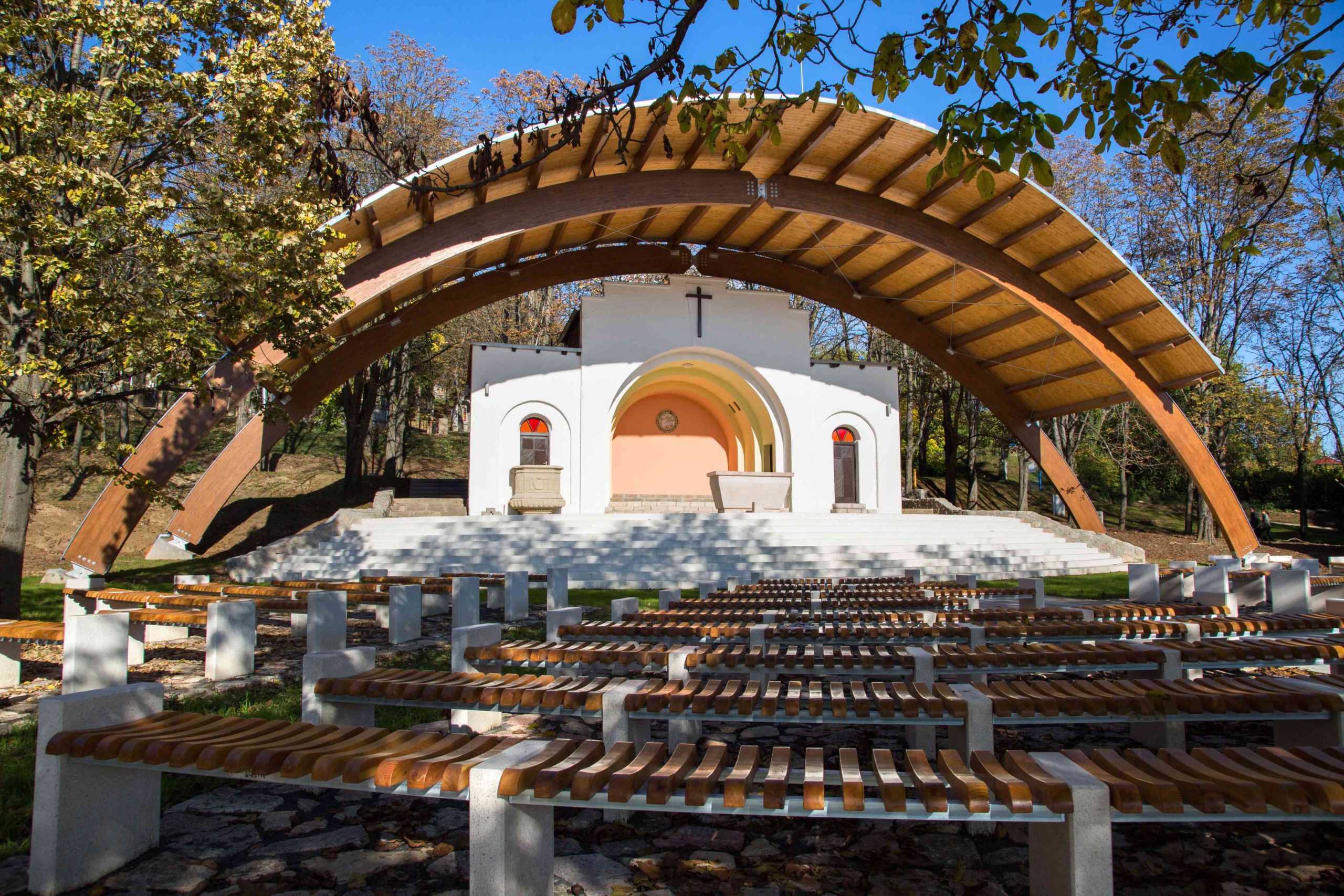
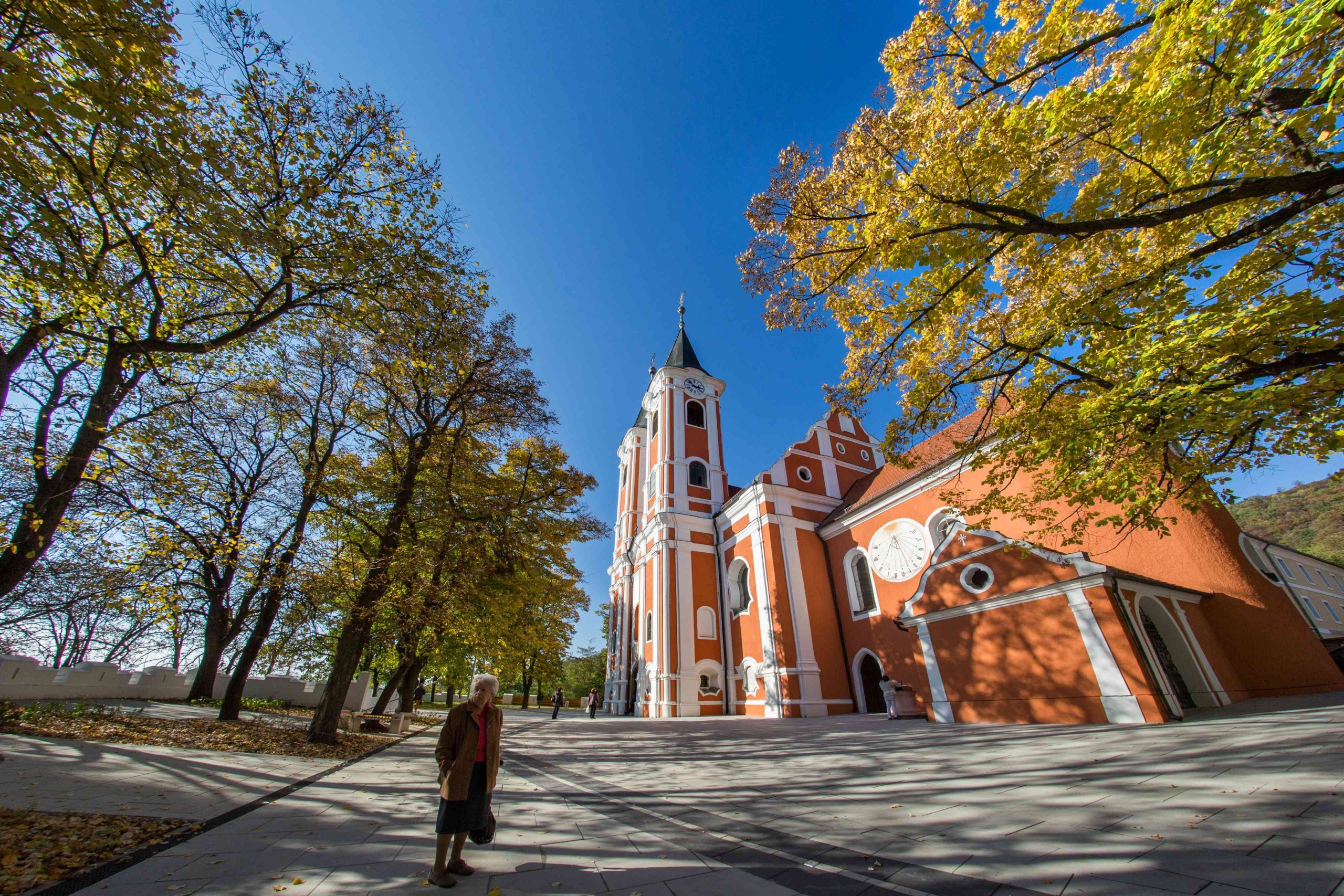
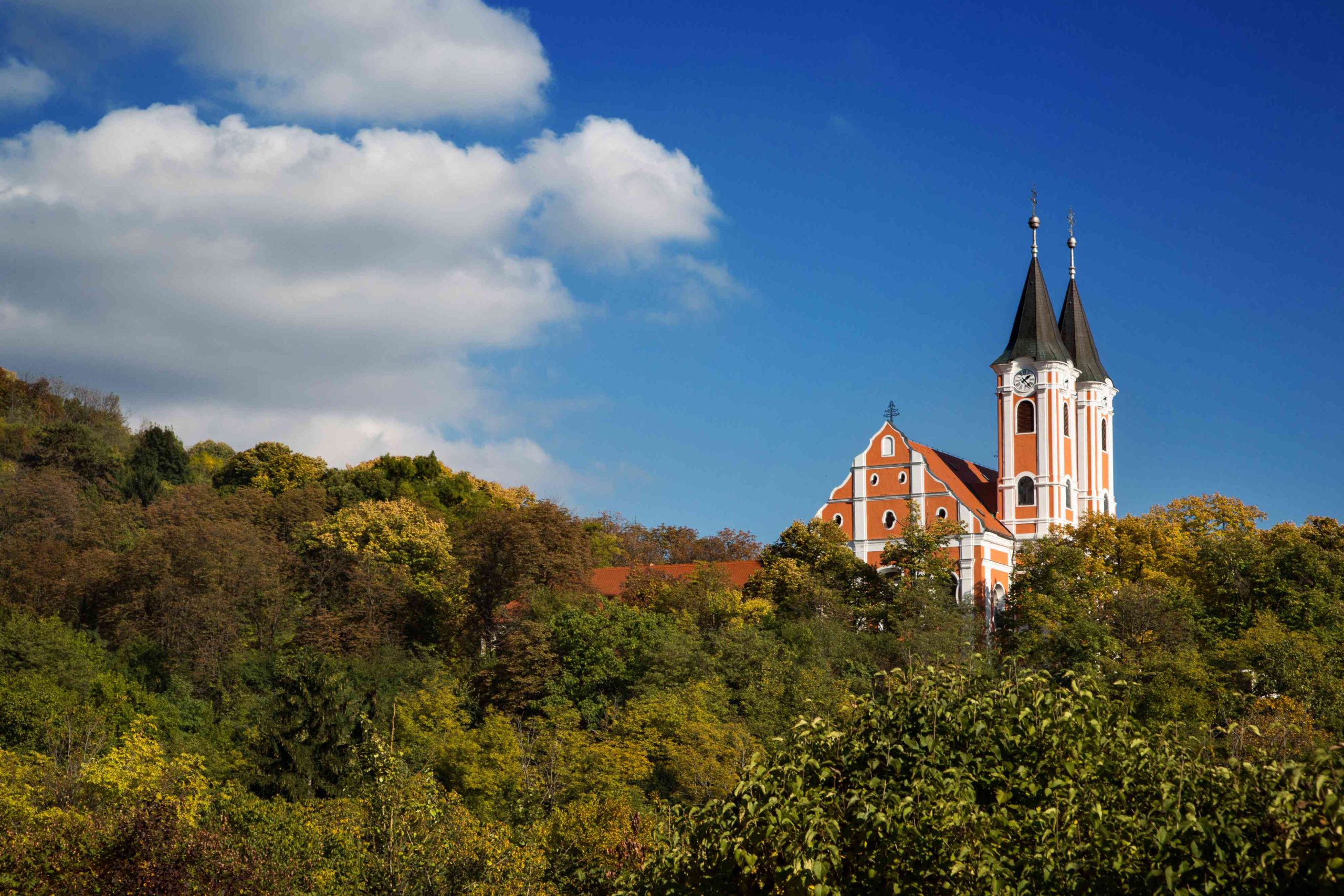
As one of the oldest pilgrimage sites in Hungary, Máriagyűd is a living center of Marian worship and one of the most attractive spiritual and tourist destinations in the Diocese of Pécs.
Máriagyűd: Centuries of Faith and Miracles
The sacred history of Máriagyűd began at the end of the 10th century, when the missionary Archbishop Brúnó Querfurt, of Saxon origin, began to convert the inhabitants of the area. The religious importance of the area continued to grow in the 14th century, as the surrounding parish churches were granted indulgence privileges. Although the people of the village converted to the Reformed faith after the Battle of Mohács, the church building was spared by the Turks, so that first Serbian Orthodox and then the Hungarian Reformed community held their services within its walls.
The modern flourishing of the shrine began with the Marian apparitions at the end of the 17th century. Thanks to the dedicated work of the Franciscans of Siklós, the church was returned to the Catholic Church, and by the first third of the 18th century – especially after the plague of 1737-38 – it had become a nationally renowned pilgrimage site. The Franciscan monastery was founded during this period, and the church itself was significantly expanded due to the increased traffic.
In recognition of the continuous miraculous healings, Pope Pius VII awarded the settlement with indulgences in 1805 and 1846, the Bishop of Pécs, János Szcitovszky, officially declared Máriagyűd a place of pilgrimage. The status of the shrine was further raised in 2008 by Pope Benedict XVI with the title of basilica minor.
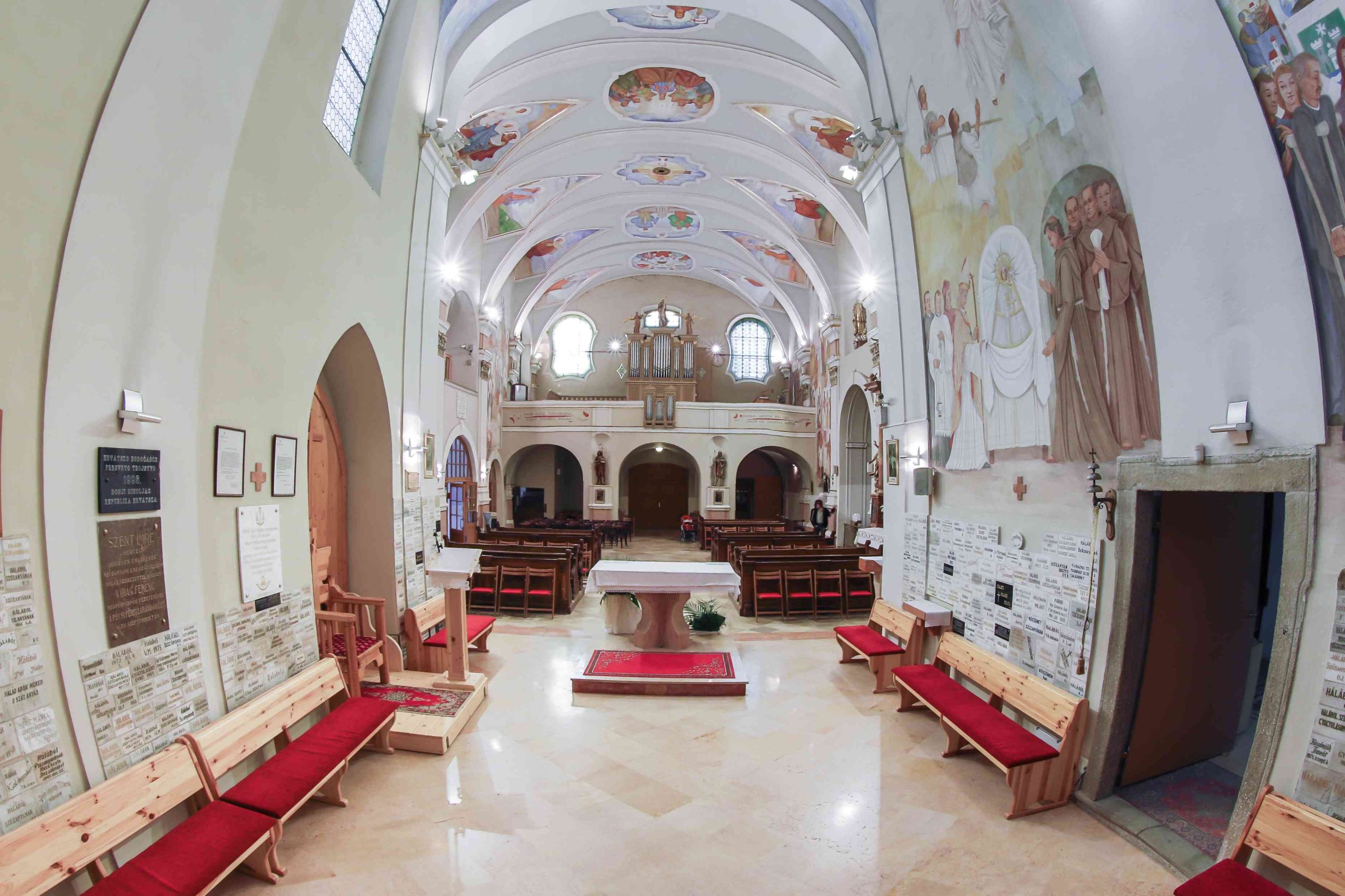
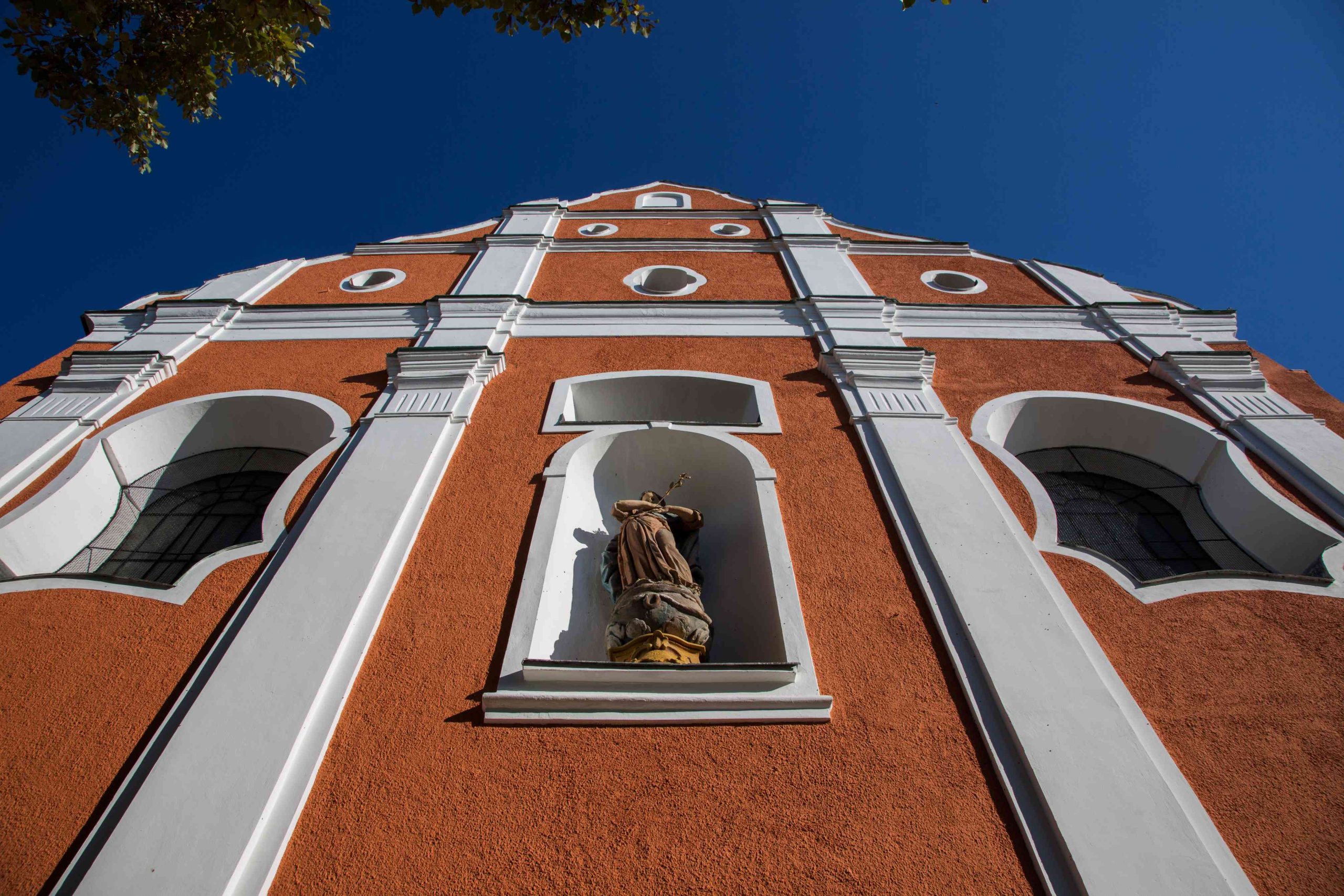
The main decoration of the basilica is miraculous statue of the Virgin Mary dating from 1713, which replaces the original work that was evacuated to Osijek during the Rákóczi War of Independence. Another notable treasure of the interior is the organ built in 1900, the masterwork of József Biebert, an apprentice of the renowned Angster factory in Pécs.